

The Origin of Valentine's Day: Its Meaning, History, and the Story Leading to Today
As February 14 approaches every year, the same question arises again: Is Valentine's Day just a "gift day," or is there a deeper story behind it? In fact, this special date reaches its current romantic identity at the end of a long journey where different eras and cultures intersect. Today, a bouquet of flowers, a small note, or a thoughtfully planned surprise transforms into a powerful language in moments when love cannot be captured in words. In this article, we will look together at the origin of the **Valentine's Day** concept, why February 14 stands out, and how it has evolved into today's modern celebration practices.
What is Valentine's Day and Why is it Celebrated on February 14?
**Valentine's Day** is considered a symbolic day that makes the emotion of love and devotion visible and strengthens emotional communication. The prominence of February 14 is shaped at a point where historical narratives and cultural habits combine. Some narratives claim that this date turned into a social tradition over time by being associated with religious figures. As love letters, small gifts, and "declaration of love" rituals became widespread in medieval Europe, February 14 became a romantic focus. In the modern era, this tradition has adapted to the tempo of city life, taking on a more practical and creative form. People express their feelings while showing "care" to the other side. What is important here is not the size of the gift but the intention of the gesture, the personal nature of the choice, and the feeling of sincerity. That is why **February 14** becomes unforgettable sometimes with just a one-sentence note, and sometimes with well-chosen **Valentine's Day flowers**.
The Legend of Saint Valentine and the History of Valentine's Day
The origin of Valentine's Day is associated with the figure of Saint Valentine (Valentin) in most narratives. The common point of these narratives is the idea of preserving love and togetherness despite the pressures of the era. Historical records and legends may differ at times; however, the Valentine story provides a strong background for the theme of "loyalty and courage" of Valentine's Day. In some narratives, Valentine is depicted as a clergyman punished for conducting secret marriages; in others, he is remembered as a symbol of defending love. The main value here is that the day carries the idea of not only being a romantic celebration but also "owning love." This idea has been carried into popular culture over centuries and enriched with new traditions in different societies. Today, a couple's choice of a **red rose bouquet** or a carefully prepared small surprise can be read as a modern interpretation of this long story. In short, Valentine's Day transforms into a cultural memory that grows not tied to a single source but through narratives, symbols, and social habits.
Why Are the Red Rose and Romantic Symbols So Powerful?
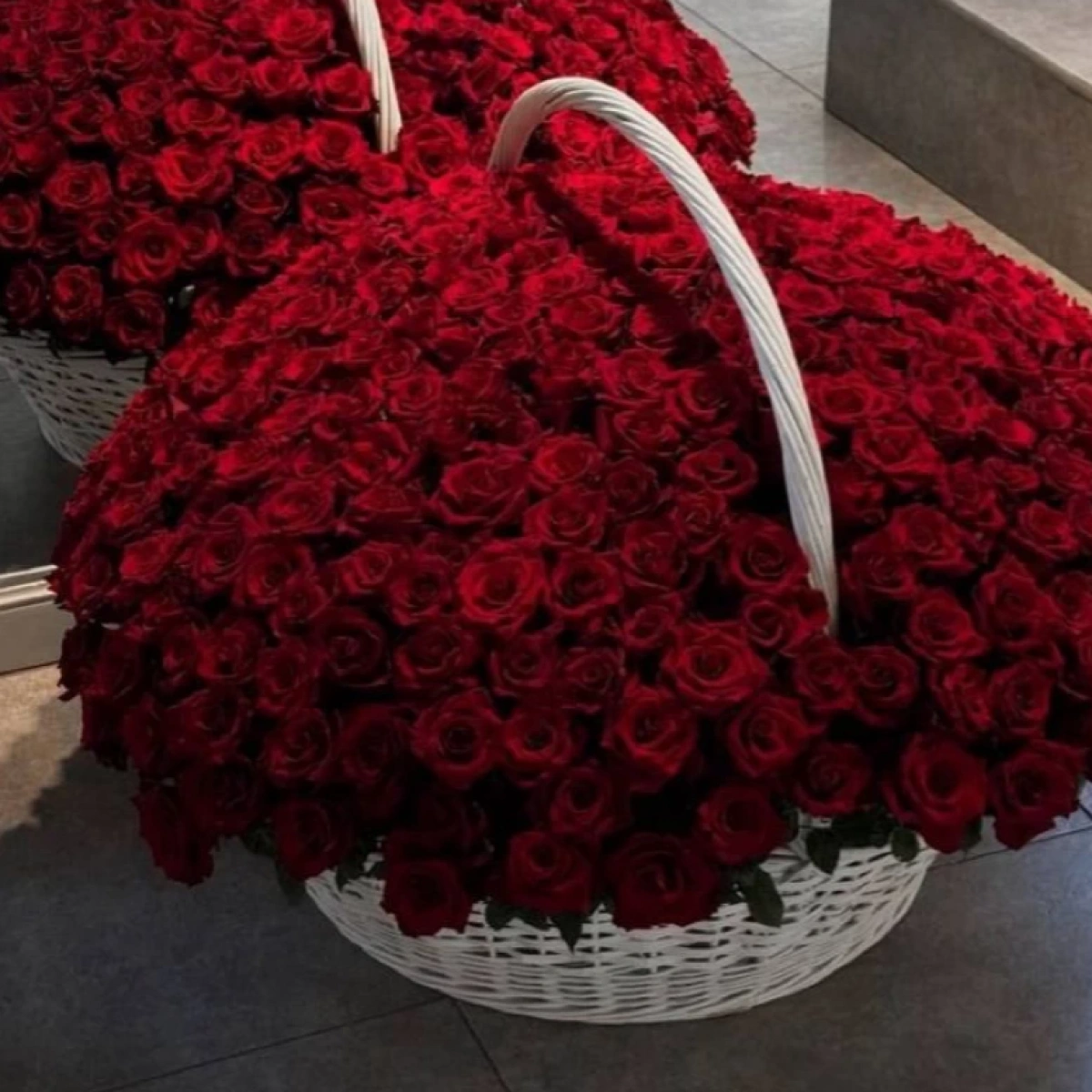
One of the first symbols that come to mind when mentioning Valentine's Day is the red rose. The reason for this is not only because it "looks beautiful"; the color red has been associated with passion, heart, and strong bonds throughout history. The rose is seen as a tangible representation of elegance, care, and emotion. Therefore, the choice of a **Valentine's Day rose bouquet** often carries a message that replaces sentences. In addition to this, note cards, chocolates, scents, and personal gifts serve the same purpose: Expressing emotion in a simple yet effective manner. The fine detail here is: No matter how classic the symbol is, personalization changes everything. The same flower, with the right color tone, right arrangement, and right timing, gains a completely different meaning. For example, a minimalist bouquet composed of a single color leaves a "simple but profound" impression; richer textured arrangements strengthen the sense of "celebration and enthusiasm." Therefore, symbols are not just tradition; they are also a form of communication.
How is Valentine's Day Experienced Today?
Today, Valentine's Day is not limited to classic romantic plans. Some couples choose a quiet dinner, others opt for a small walk; some find a short gesture that says "I think of you" to be enough. Especially in city life, because time is valuable, practical yet thoughtful options stand out. Here, solutions such as **same-day flower delivery** relieve the stress of planning romance and enhance the impact of the gesture. Roses in boxes, vase arrangements, trending colors of the season, and personalized notes transform the gift from something ordinary to something "memorable." The best celebration is the one that suits the dynamic of the couple. For some, a flashy surprise is meaningful; for others, a simple bouquet and a well-written note suffice. The real message of Valentine's Day extending to today is hidden herein: Love cannot be confined to a single day; but sometimes one day makes love more visible.